




 Inglés (pdf)
 Articulo en XML
 Referencias del artículo
 Traducción automática
 Enviar articulo por email
 Citado por SciELO
  Similares en
SciELO
Similares en
SciELO 
 Permalink

INTRODUCTION
The department of Boyacá is one of the departments with the greatest historical and cultural wealth in the country, due to its archaeological findings and its tangible cultural heritage, the heritage network of Boyacá has 65 declarations of cultural assets and cultural manifestations in 32 different municipalities declared by the Ministry of Culture, Despite this structural wealth, the departmental development plan concerning tourism emphasizes the diversification of the sector around the development of sports trails, productive routes, beautification of municipalities, among other plans that do not contemplate the maintenance and tourist exploitation of monuments (Cruz, 2021).
Community participation in the preservation of monuments in Boyacá is a crucial issue in the current context of cultural heritage conservation. This article seeks to explore and understand the fundamental role played by the community in safeguarding and promoting historical and cultural monuments in this Colombian department (Simonofski et al., 2021). Over the years, Boyacá has witnessed the historical and architectural richness that constitutes its legacy, becoming a living reflection of identity and collective memory (He & Ma, 2021). In this sense, the active participation of the community in the preservation of these monuments is not only essential for their physical conservation, but also for their social and cultural valorization (Guo et al., 2021).
Understanding how the community perceives, values and is involved in the protection of monuments in Boyacá is crucial for designing effective conservation strategies. Interaction between local authorities, cultural heritage experts, and local inhabitants is a vital component to ensure the sustainability and continuity of these initiatives (Tai et al., 2020). Likewise, community involvement not only implies the physical conservation of monuments, but also the promotion of a sense of belonging and shared responsibility towards these historic sites, thus fostering the preservation of cultural identity and the rootedness with the past (Thompson, 2022).
The detailed analysis of perceptions, attitudes and levels of community commitment towards the preservation of monuments in Boyacá will reveal fundamental aspects that could enhance inclusive and participatory strategies in heritage conservation (Arreche & Vázquez, 2020). This research seeks, therefore, to shed light on the dynamics of community participation in the preservation of monuments, providing knowledge that can nurture public policies, community actions and projects aimed at the protection and enhancement of heritage in Boyacá.
“
.” (Subedi & Shrestha, 2023, p. 35). Thus, “Monuments are silent witnesses to history, but it is the community that brings them to life, preserving their significance and relevance over time.” (Korenič, 2024, p. 29).Community participation is crucial for sustainable monument conservation as it fosters a sense of ownership and responsibility towards cultural heritage
Community-based tourism has been consolidated as a sustainable tourism alternative that promotes local development and the conservation of cultural and natural heritage (Gómez et al., 2023; Ruiz-Ballesteros, 2022). Likewise, local communities are protagonists, as they actively participate in the planning, management and economic benefits of tourism in their areas (Mtapuri & Giampiccoli, 2019). This approach fosters an authentic cultural exchange between visitors and residents, allowing tourists to experience the daily life of communities and contribute directly to their well-being (Cáceres-Feria et al., 2021).
By involving residents in the provision of tourism services, employment and entrepreneurship opportunities are generated, contributing to the diversification of the local economy and reducing migration to urban areas (Haz et al., 2022). In addition, community-based tourism promotes the conservation of cultural and natural heritage, as communities are often aware of the importance of preserving their resources for future generations (Dolezal & Novelli, 2020; León-Gómez & Mora, 2022). “
.” (Zangari et al., 2024, p. 67).Monument conservation at the community level faces significant challenges, especially in terms of resource management and social cohesion
Community-based tourism stands out for offering unique and authentic experiences to travelers (Giampiccoli & Mtapuri, 2021). Unlike conventional tourism practices, where massified attractions and standardized experiences can be found, community-based tourism allows visitors to immerse themselves in local life and culture, participate in traditional activities, and enjoy the hospitality of host communities (Mora, 2022; Mora & Pérez, 2021). This not only enriches the travel experience, but also promotes greater respect and understanding between cultures. “
.” (Taylor, 2023, p. 45).Participatory conservation not only protects heritage, but also strengthens community ties and promotes social cohesion
It is a fundamental process for sustainable development and improvement of the quality of life in communities (Haverila et al., 2020). It refers to the active involvement of residents in decision-making that affects their environment, as well as in the planning, implementation and evaluation of actions and projects that seek collective benefit (Islam et al., 2020). This participation goes beyond simple consultation, involving real and continuous engagement of community members at all stages of the process (Campbell-Arvai & Lindquist, 2021).
Community participation is associated with several benefits for both communities and the projects and policies that are developed in them (Thomas et al., 2020). First, it strengthens residents' sense of belonging and cultural identity by enabling them to play an active role in the construction and development of their community (Li & Liu, 2020). In addition, community participation fosters responsibility and empowerment, as residents become agents of change in their environment, which contributes to the creation of more resilient and cohesive communities (Zeidan et al., 2021).
Community participation can improve the effectiveness and sustainability of projects and policies by ensuring that they are truly responsive to community needs and aspirations (Ranwa, 2021). By involving residents from the outset, local challenges can be identified and addressed more effectively, drawing on the knowledge and experience of those who live and work in the community (Cerveny et al., 2022; Mora et al., 2023). In this way, community participation becomes a fundamental pillar for the comprehensive and sustainable development of communities (Hesari et al., 2020).
In terms of relevance, community participation contributes to strengthening social cohesion and the community fabric, promoting collaboration and teamwork to achieve common goals (Pita et al., 2023). In addition, community participation can improve the effectiveness of social interventions and programs, since decisions made in a participatory manner tend to be more accurate and appropriate to the real needs of the community (Postigo, 2023).
Among the most important aspects of community participation are inclusiveness, diversity of voices and transparency. Inclusion ensures that all community members can participate, regardless of gender, age, ethnicity or socioeconomic status (Cruz, 2021). Diversity of voices enriches the decision-making process by incorporating different perspectives and experiences. Finally, transparency in the community participation process is key to building trust and legitimacy in the decisions made, ensuring that they are acted upon for the benefit of the entire community (Loya & Fusté-Forné).
Among the determinants that influence citizen participation are civic education, which promotes knowledge of citizens' rights and responsibilities, and accessibility to the information and resources needed to participate actively in public life (Kia, 2021). Another important determinant is trust in institutions and in the democratic process, since lack of trust can dissuade citizens from participating in political and community activities (Teasell et al., 2020).
Monument conservation is a crucial aspect of preserving the history, cultural identity and heritage of a society (Murotjon, 2023). These monuments, whether they are historic buildings, archaeological sites or iconic structures, represent tangible testimonies of history and human creativity over time (Wen et al., 2023). Proper conservation of monuments not only ensures their physical survival, but also enables future generations to enjoy and learn from them (Li et al., 2023). It also involves a series of actions and measures to ensure their physical integrity and cultural significance (Alibaigi & MacGinnis, 2023). “
.” (Haz et al., 2022, p. 13). However, “Monument conservation not only preserves the past, but also empowers communities, giving them a voice in the protection of their heritage
.” (Cáceres-Feria, 2021, p. 53).Sustainability in monument conservation depends largely on the active and continuous participation of the community
The above includes cleaning, repair and restoration of structures, as well as the implementation of protection and safety measures to prevent damage caused by factors such as climate, pollution or unregulated tourism (Gunasdi et al., 2023). In addition, conservation also involves research and documentation of monuments, to better understand their history and cultural context (Petracek et al., 2023). Thus, it is important to emphasize that monument conservation is not only the responsibility of cultural heritage experts, but also requires the active participation of the community and the support of local and national authorities (Posener, 2023). In addition, “
.” (Ranwa, 2021, p. 102).Community organizations play a vital role in monument conservation, acting as guardians of cultural heritage
Raising awareness about preserving monuments and promoting sustainable tourism and development practices are key to ensuring their long-term preservation (Ramírez & Adzich, 2023). Ultimately, monument conservation not only protects the past, but also enriches the present and future of a society by promoting appreciation of its history and culture (De Pretto, 2023). Likewise, some monuments should be left untouched and show cumulative signs of vandalism and expropriation (Taylor, 2023). On the other hand, they are mainly elements that safeguard the past to convey a message to the present, they serve so that yesterday is not pulverized with the passage of time (Rupinsky et al., 2023).
METHODOLOGY
The research adopted a mixed methodology with a descriptive approach, combining qualitative and quantitative methods to provide a comprehensive view of the phenomenon studied. According to Matović & Ovesni (2023), they argue that the integration of quantitative and qualitative methodologies in mixed methods research is not only feasible but also essential to obtain a more complete and enriched understanding of social phenomena.
They argue that the combination of these methodologies allows the strengths of each approach to be harnessed, overcoming their individual limitations. This integration facilitates a triangulation of data that enhances the validity and depth of findings, supporting the feasibility of a research approach that seeks to encompass multiple perspectives to address complex questions in social research.
The research was developed in two distinct phases to capture a full range of data. In the first phase, in-depth interviews were conducted with eight tourism service providers in the department of Boyacá during the months of September and November 2023. These providers were selected because they were the only ones interested in participating in the research during that period. The interviews provided rich and detailed information about their experiences, perspectives and challenges in the region. The interviews were designed to explore specific aspects of the sector and to obtain an in-depth understanding of the operational and strategic reality from the perspective of the service providers.
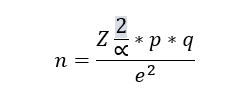
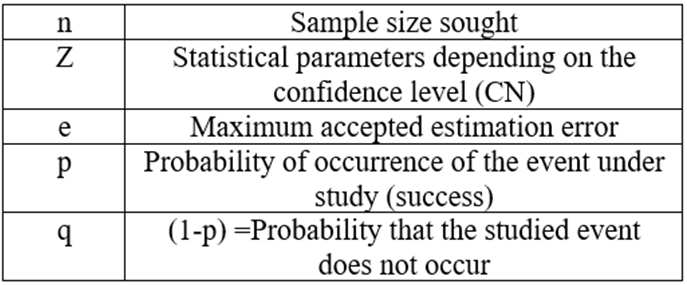
In the second phase, structured surveys were conducted with 112 members of the community in the department of Boyacá, guaranteeing the informed consent of all participants. The sample size was calculated using an infinite statistical formula that considered a confidence level of 95% and a margin of error of 10, which indicates that the sample size is 97 over the total number of surveys conducted (112). This quantitative phase complemented the qualitative information obtained in the first phase, providing statistically representative data on the community's perception and opinions regarding the tourism sector. The combination of these methods according to the methodology of Zagier (1992) allowed for a complete and balanced evaluation of the object of study, integrating both subjective perspectives and empirical data. (see Table 1).
RESULTS AND DISCUSSIONS
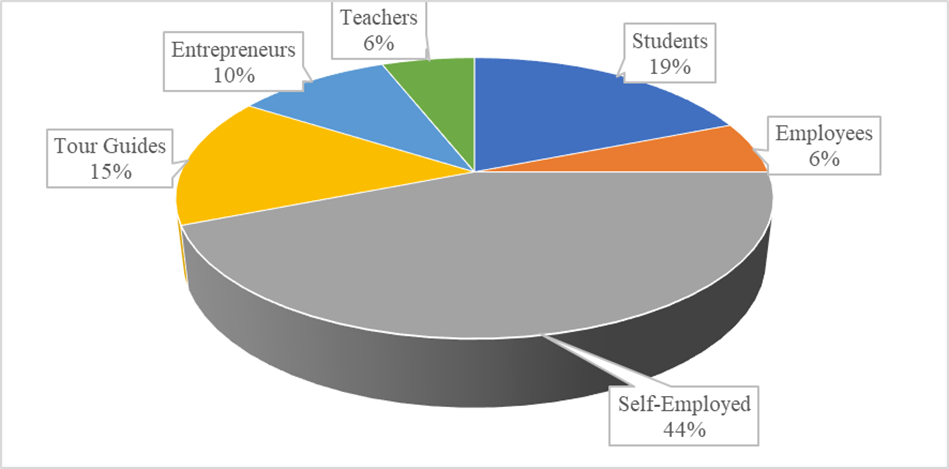
The positive results of the conservation and optimal maintenance of the monuments in Boyacá generate a significant impact on the influx of tourists to the municipality. These monuments represent become a cultural attraction for national and international visitors, increasing the interest in discovering and understanding the narrative that these historical sites encapsulate. The preservation of the monuments not only ensures their physical integrity, but also contributes to the creation of a pleasant and authentic environment that captures the imagination of tourists.
Community participation in the conservation and recognition of these monuments not only strengthens the social fabric, but also generates a sense of belonging and local pride, which translates into an enriching experience for visitors. Together, these actions not only safeguard Boyacá's historical heritage, but also promote sustainable cultural tourism, boosting economic development and the promotion of local identity (Table 2).
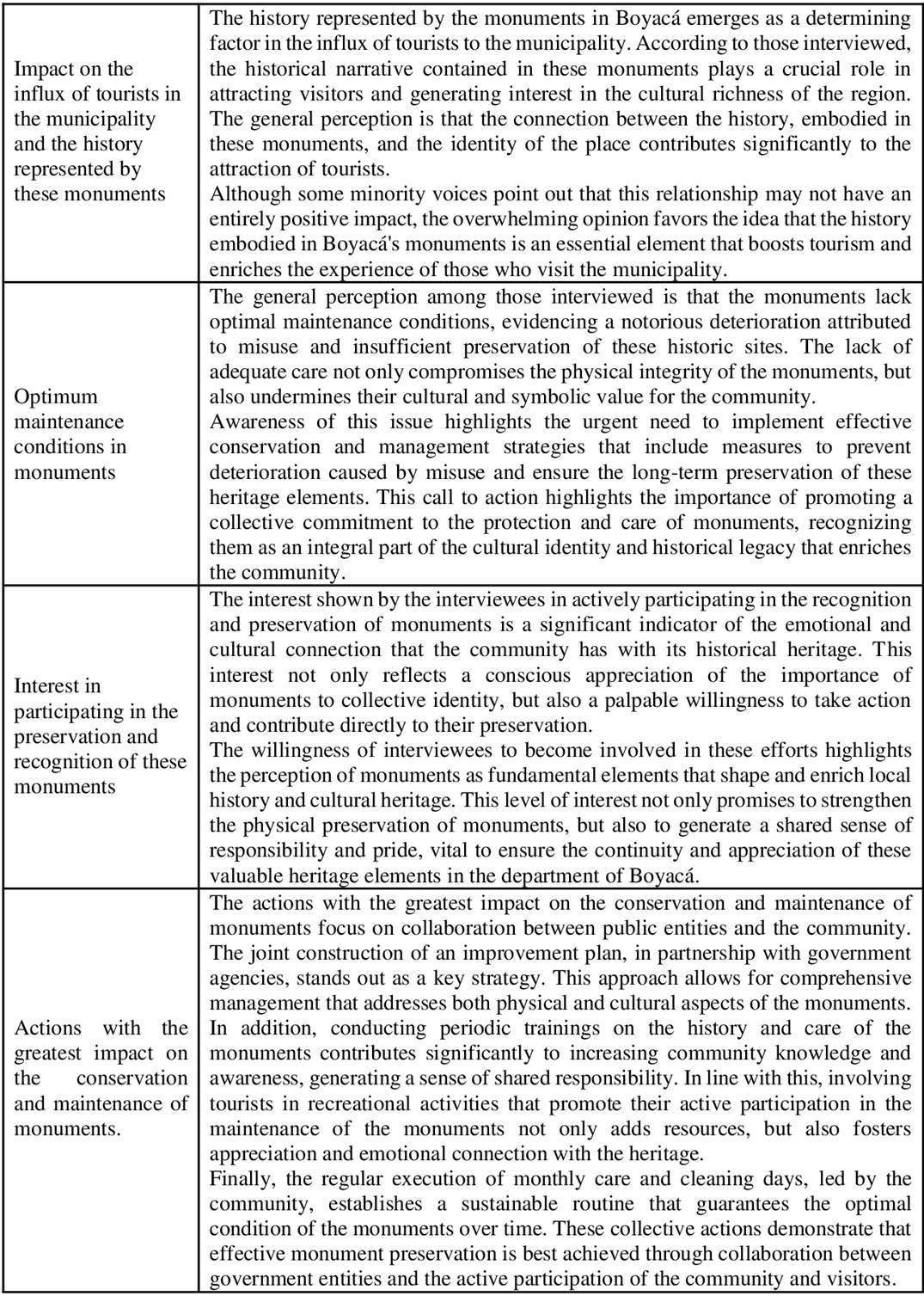
The demographic analysis reveals a diverse distribution in the sample, with the "Self-employed" category representing the highest proportion, reaching 44%. This figure suggests a significant presence of self-employed or freelance individuals in the population studied. "Students" constitute the second largest group, with 19%, indicating the presence of a young population or one in the process of academic training. 15% of "Tour guides" point to the importance of the tourism sector in the sample, possibly reflecting an active participation in the local tourism industry.
"Entrepreneurs" and "Teachers" represent 10% and 6%, respectively, suggesting a notable proportion of individuals with entrepreneurial initiatives and dedication to teaching. Finally, 6% of "Employees" reflects a modest but significant presence of salaried workers. This demographic analysis highlights the heterogeneity of the sample and the diversity of roles and activities in the study population (Figure 1).
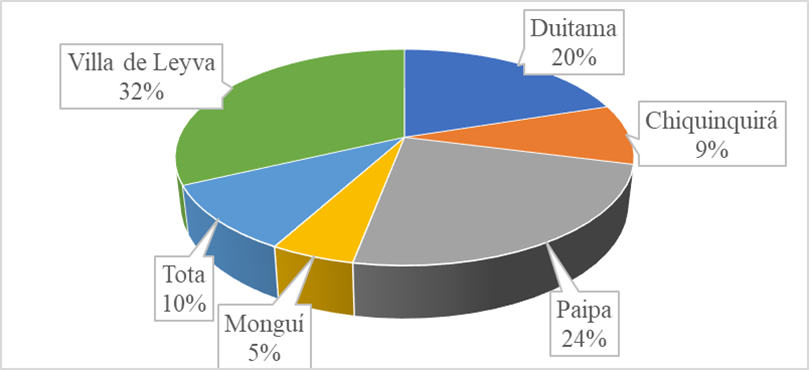
In the analysis of the data provided on the percentage distribution of the population in various municipalities, there is a notable demographic disparity among them. Villa de Leyva stands out with 31%, consolidating itself as the locality with the highest population concentration compared to the others. It is followed by Paipa, with 24%, and Duitama with 20%, forming an intermediate group in terms of population. In contrast, Tota and Chiquinquirá have more modest percentages, with 10% and 9%, respectively, suggesting a lower population density in these areas.
Monguí, with only 5%, appears as the locality with the lowest proportion of population, indicating a smaller human presence compared to the rest of the localities analyzed. This analysis reveals significant patterns in population distribution, which could have implications for aspects such as socioeconomic development and infrastructure in each region (Figure 2).
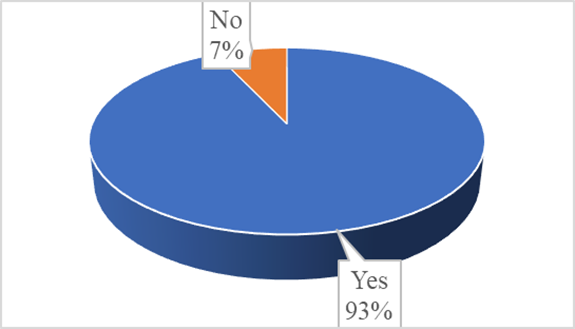
The paragraph provides significant data on citizens' knowledge of the most representative monuments of their respective municipalities. With an impressive 93%, most of the people surveyed claimed to know these local monuments. This high percentage suggests a considerable level of awareness and cultural connection between the inhabitants and the representative symbols of their communities. However, we cannot overlook the remaining 7% who admitted to being unfamiliar with local monuments.
This minority group may indicate possible gaps in the dissemination of information or the need for cultural promotion strategies to improve knowledge and appreciation of monuments among a segment of the population. In general, the information provided highlights the importance of fostering cultural awareness and heritage knowledge in society to strengthen community ties and preserve the identity of monuments (Figure 3).
The numerical scale associated with each level of impact provides a quantitative measure that allows a detailed evaluation. In this context, significant weight is assigned to level 5, indicating full impact, with a percentage of 33%. This suggests that most respondents consider that the history embodied by the monuments has a significant influence on attracting tourists to the municipality. On the other hand, the lower levels of the scale also have significant percentages assigned to them, indicating a diversity of opinions on the impact of history on tourist inflow.
The weighted distribution reflects the complexity of individual perceptions and suggests that while some consider monument history to have a considerable impact, others may not see this connection as directly. The methodology provided offers an effective tool for quantifying and understanding the varied opinions of the population regarding the relationship between monument history and tourism in the municipality (Figure 4).
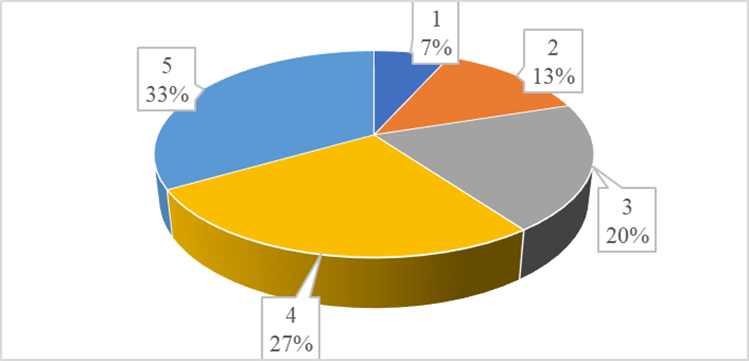
Figure 4: Do you consider that the history represented by these monuments impacts the tourist’s inflow in the municipality?
The analysis reveals a significant division of opinion regarding the state of maintenance of the monuments in the municipality in question. The fact that 60% of respondents answered negatively indicates a worrying majority who perceive deficiencies in the current conditions. This trend could suggest the existence of underlying problems in the management of monument maintenance, such as lack of investment, inadequate planning, or poor supervision.
On the other hand, the 40% responding affirmatively could indicate a more optimistic perception on the part of the population, although it is important to consider whether this positive opinion is based on a relative comparison or whether it really reflects an acceptable level of conservation. Ultimately, these results underscore the need for a more detailed evaluation of the state of the monuments and the implementation of corrective measures if the cultural and heritage value of the municipality is to be preserved and promoted (Figure 5).
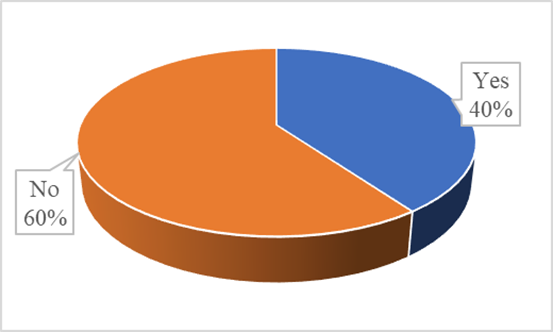
Figure 5: ¿Do you consider that the monuments in your municipality are in optimal maintenance conditions?
This analysis presents a proposal for measuring the interest of the population in participating in activities aimed at the preservation and recognition of monuments. The evaluation scale, ranging from 1 to 5, reflects a range of interest, where 5 indicates a high level of interest and 1 denotes lack of interest. The distribution of the results reveals an ascending pattern, showing that 33% of the respondents expressed a strong interest (score 5), followed by 27% with a score of 4. Also, 20% indicated moderate interest (score 3), 13% showed a low level of interest (score 2), and 7% expressed a significant lack of interest (score 1).
This quantitative analysis provides a detailed understanding of attitudes towards monument preservation, highlighting the considerable proportion of individuals with significant interest, suggesting a solid basis for activities in this area. However, it is essential to consider additional factors, such as the reasons behind these evaluations, to gain a more complete and action-oriented understanding (Figure 6).
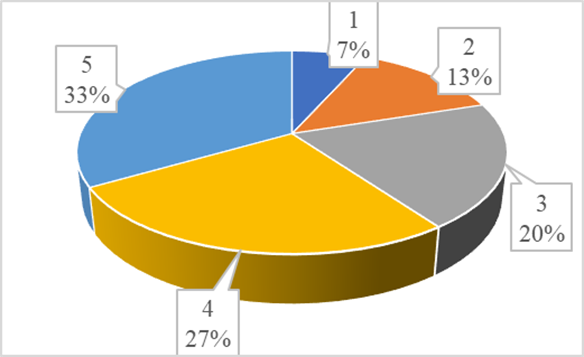
Figure 6 ¿How interested would you be in participating in activities that contribute to the preservation and recognition of these monuments?
The following analysis presents revealing data on community preferences and opinions regarding the most effective actions for monument conservation and maintenance. First, it is striking that a significant 51% of respondents believe that the construction of a monument improvement plan in collaboration with public entities would be the most impactful measure. This suggests strong support for coordinated intervention between the community and the government to implement significant changes in the preservation of these cultural elements (Figure 7).
On the other hand, periodic training on the history and care of the monument received a solid 23%, indicating that knowledge and historical awareness play a crucial role in the community's perception of heritage conservation. Surprisingly, monthly community care and clean-up days, although valuable, receive only 11%, highlighting that the population considers other strategies to be more impactful. Recreational activities that involve the tourists’ contribution are also valued, although to a lesser extent, with 15%. Taken together, these results indicate the need for a comprehensive approach combining community engagement, education and collaboration with authorities to ensure the long-term sustainability of monument conservation (figure 7).
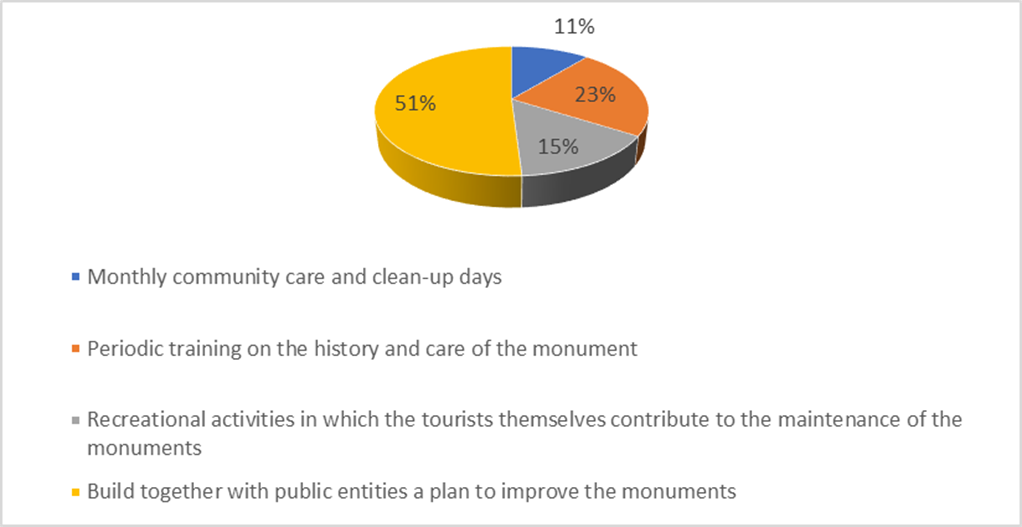
Figure 7: Of the following actions, which do you consider would have the greatest impact on the conservation and maintenance of these monuments?
The optimal conservation and maintenance of monuments in Boyacá has generated a significant impact on the flow of tourists to the municipality, evidencing how these historical sites have become a cultural attraction for both national and international visitors. According to Gómez et al. (2023) and Ruiz-Ballesteros (2022), community-based tourism has been a sustainable alternative that promotes local development and the conservation of cultural and natural heritage.
In this context, monuments not only preserve their physical integrity, but also contribute to creating a pleasant and authentic environment that captures the imagination of tourists. The connection between the history represented in these monuments and the identity of the place translates into a significant tourist attraction that enriches the visitors' experience and fosters economic development and the promotion of local identity.
Community participation in the conservation and recognition of monuments strengthens the social fabric and generates a sense of belonging and local pride, key aspects for improving the quality of life in communities, as noted by Haverila et al. (2020). The active involvement of residents in the planning and management of tourism in their areas not only promotes authentic cultural exchange between visitors and residents, but also generates employment and entrepreneurship opportunities, diversifying the local economy and reducing migration to urban areas (Haz et al., 2022). This active and conscious participation not only promises to strengthen the physical preservation of monuments, but also to generate a shared sense of responsibility and pride, vital to ensure the continuity and appreciation of these valuable heritage elements in Boyacá.
The actions with the greatest impact on the conservation and maintenance of monuments focus on collaboration between public bodies and the community. The joint construction of an improvement plan, in partnership with government agencies, stands out as a key strategy, as suggested by Dolezal and Novelli (2020).
This approach allows for a comprehensive management that encompasses both physical and cultural aspects of the monuments, ensuring their long-term preservation. In addition, conducting regular training on the history and care of monuments contributes significantly to increasing community knowledge and awareness, generating a sense of shared responsibility. These actions demonstrate that effective monument conservation is best achieved through collaboration between government agencies and the active participation of the community and visitors.
CONCLUSIONS
The objective reveals a positive picture, considering that 93% of respondents claim to know the most representative monuments in their municipalities, indicating a high level of cultural awareness and connection to local heritage. This knowledge is essential to encourage active participation in conservation efforts, as an informed public is more likely to be involved in the preservation of their environment.
However, in terms of interest in participating in preservation activities, 33% of respondents expressed strong interest (score 5), followed by 27% with considerable interest (score 4). These results show a solid basis for promoting conservation initiatives with significant community support. However, it is also important to consider the 7% who showed a lack of interest, suggesting the need for awareness-raising strategies to capture the attention of this group and increase their involvement.
The perception of the impact of the history of monuments on tourist attractions is also revealing. A total of 33% of respondents consider that the history represented by the monuments has a full impact on the influx of tourists, which underlines the importance of these historical sites as drivers of local tourism. However, the existence of divided opinions reflects the need to deepen the valorization of the historical heritage to maximize its tourism potential.
Regarding the maintenance conditions of the monuments, 60% of the respondents perceive deficiencies, which points to a general concern about current conservation. This data highlights the urgency of implementing corrective measures to ensure the proper maintenance of these sites and, therefore, their sustainability as tourist attractions. The remaining 40% who are positive suggest that, although there is progress, there is still work to be done to improve the general perception.
Finally, the most effective actions for the conservation and maintenance of monuments include the construction of an improvement plan in collaboration with public entities, supported by 51% of respondents. Regular training on the history and care of monuments, supported by 23%, also emerges as a key strategy. These results underline the importance of collaborative management between the community and authorities to ensure the preservation and strengthening of Boyacá's cultural heritage.
This type of research allows the identification of factors that motivate or inhibit community participation, as well as best practices to foster meaningful and sustainable engagement. For future lines of research, it would be interesting to delve deeper into the long-term impact of community involvement on monument conservation in Boyacá. One could investigate how community involvement has affected the local perception of monuments, as well as their role in the economic and social development of the region. It would also be relevant to explore how community tourism experiences can influence cultural identity and social cohesion in Boyacá.

